The summer of 2026 is not just a season it is a turning point in the history of women’s fashion. As global temperatures continue to break records year after year, the fashion industry has been forced to reimagine its fundamental relationship with comfort, functionality, and style. At the centre of this revolution lies a quiet but powerful innovation: cooling fabrics. These technologically advanced textiles are no longer the exclusive domain of professional athletes or outdoor adventurers. They have gracefully woven their way into everyday wardrobes, redefining what it means to dress beautifully and comfortably during the hottest months of the year.From the bustling streets of Karachi to the fashion capitals of Milan and Paris, women everywhere are embracing this new era of intelligent dressing. The message is clear: staying cool is no longer a compromise it is a statement.
What Are Cooling Fabrics?
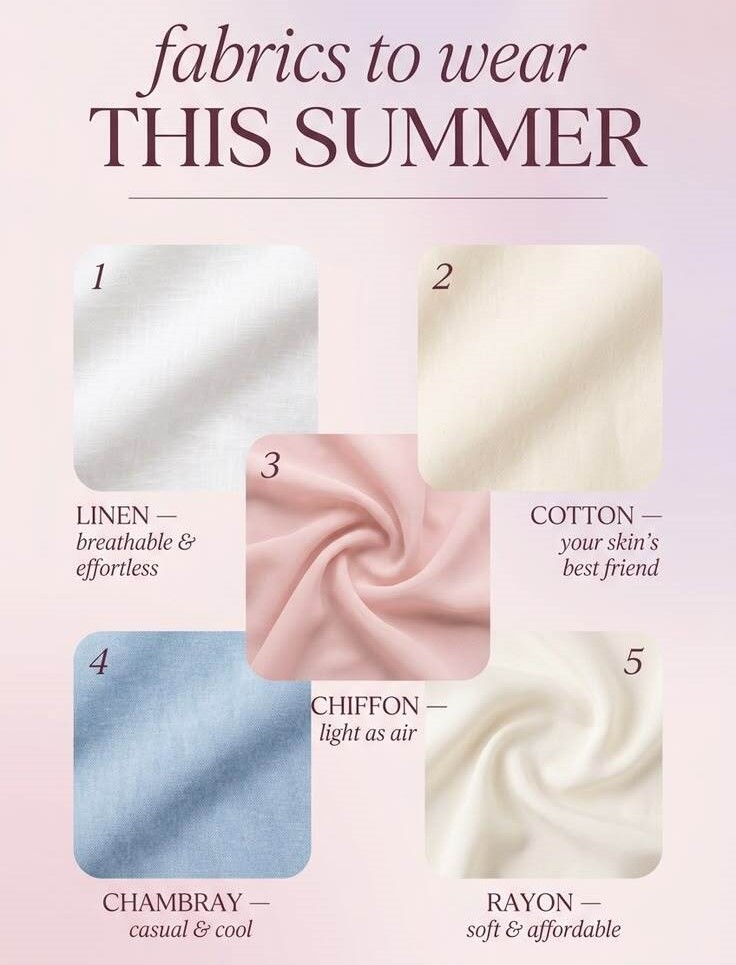
Cooling fabrics are specially engineered textiles designed to regulate body temperature, wick away moisture, and promote better airflow against the skin. Unlike traditional fabrics that simply drape the body, cooling fabrics interact with it responding to heat and sweat to create a sensation of freshness even in the most intense conditions.
In 2026, the most prominent cooling fabrics include Phase Change Materials (PCMs), which absorb body heat and release it slowly to maintain a stable skin temperature. Then there is Aero cool a lightweight synthetic blend engineered for maximum breathability through micro-perforations. Bio Weave, an exciting newcomer, is made from sustainably sourced bamboo and eucalyptus fibers, combining natural softness with moisture-wicking efficiency. Graphene-infused fabrics represent the cutting edge, using microscopic carbon sheets to conduct heat away from the body with exceptional speed. Finally, Hydro Knit fabrics are specifically designed to manage sweat intelligently, pulling moisture from the skin and dispersing it across a larger surface area to accelerate evaporation. Each of these fabrics brings something unique to the table, and fashion designers in 2026 are using them not just for function but as a creative medium in themselves.
Why 2026 Is a Landmark Year:
The rise of cooling fabrics in women’s fashion did not happen overnight. It has been building steadily for years, driven by a combination of climate urgency, technological advancement, and a cultural shift in how women approach their wardrobes. However, 2026 marks the year when these trends truly converged into a mainstream fashion movement.
Major fashion houses, which once dismissed performance-based textiles as too utilitarian, have now fully embraced them. Spring/Summer 2026 runway collections from brands such as Stella McCartney, Fendi, and emerging Asian designers have all featured cooling fabric technology prominently. More importantly, fast fashion brands have democratized access, making these innovative textiles available to women at every price point.
For women in South Asia, the Middle East, and Sub-Saharan Africa — regions where summer temperatures routinely exceed 40°C — this is not merely a fashion trend but a genuine quality-of-life improvement. Cooling fabrics offer a practical solution to the age-old challenge of maintaining dignity, elegance, and modesty in extreme heat.
The Aesthetics of Cool: Style Meets Science:
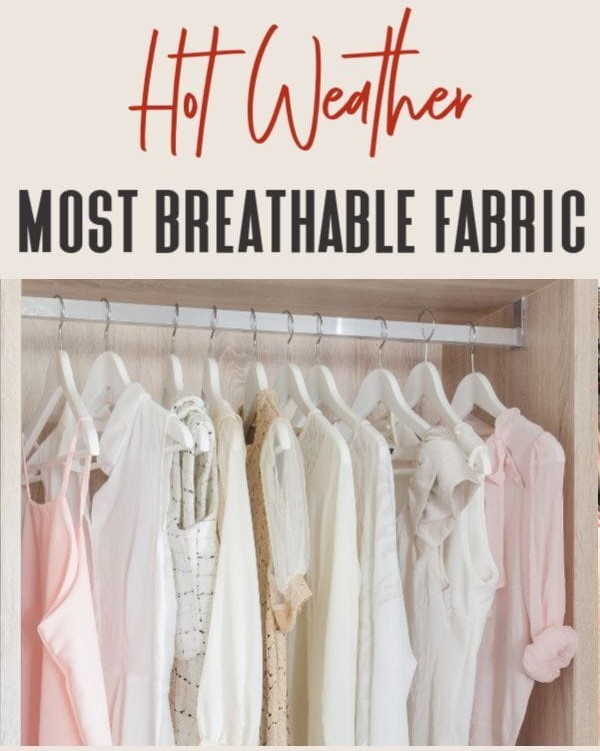
One of the most remarkable aspects of the cooling fabric revolution is how seamlessly it has merged with high fashion aesthetics. Early performance fabrics were often criticized for their clinical, sportswear-like appearance. Today, that criticism no longer holds. Cooling fabric dresses now come in flowing silhouettes with delicate draping that rivals the finest traditional silks. Wide-leg trousers crafted from Aero cool blends move with the grace of linen while offering three times the moisture management. Cooling fabric kaftans, abayas, and shalwar kameez have become particularly popular in Muslim-majority countries, offering full coverage without the burden of heat. The fabrics catch light beautifully, hold colour vibrantly, and often feature subtle textural patterns created by their unique weaving structures.
Color palettes this summer lean toward the serene and the airy. Soft whites, powder blues, sage greens, and coral pinks dominate the cooling fabric collections — colors that psychologically reinforce a feeling of coolness and calm. Interestingly, some designers are challenging convention with deep jewel tones in graphene-infused fabrics, proving that looking cool and being cool are no longer mutually exclusive.
Sustainability at the Core:
The cooling fabric movement has arrived hand-in-hand with a broader commitment to sustainable fashion. In 2026, consumers — particularly younger women — are demanding that their clothing choices reflect their environmental values. The fashion industry has responded with impressive innovation. Bio Weave fabrics, derived from bamboo and eucalyptus, are grown without pesticides and require significantly less water than conventional cotton. Several brands are producing Hydro Knit garments from 100% recycled ocean plastics, transforming environmental waste into wearable, cooling fashion. Even synthetic cooling fabrics are increasingly manufactured using closed-loop processes that minimize water waste and chemical runoff.
The durability of these fabrics also contributes to sustainability. Unlike cheap summer fabrics that fade and lose shape after a season, quality cooling textiles are engineered to maintain their performance properties through hundreds of wash cycles. This encourages a “buy less, wear more” philosophy that is increasingly central to conscious fashion consumption.
The Global Influence: Fashion Beyond Western Borders:
Perhaps the most exciting dimension of the cooling fabric story in 2026 is its truly global character. For too long, mainstream fashion innovation has been driven by and for the climates of Western Europe and North America. The cooling fabric revolution is different — it is inherently a response to the lived experiences of women in the world’s hottest regions. Pakistani fashion designers are incorporating Aero cool and Bio Weave blends into traditional embroidered kurtas, creating garments that Honor cultural aesthetics while embracing modern comfort technology. In Nigeria, cooling fabric Ankara prints are gaining immense popularity, combining vibrant traditional patterns with sweat-wicking performance. South Korean and Japanese designers, renowned for their technical precision, have pioneered some of the most sophisticated Phase Change Material applications in everyday women’s wear.
This cross-cultural fertilization is producing genuinely exciting fashion — garments that are simultaneously locally rooted and globally innovative. It is a reminder that the future of fashion is not a monologue from the West but a rich, global conversation.
How to Build a Cooling Fabric Wardrobe:
Building a summer wardrobe around cooling fabrics in 2026 does not require abandoning personal style — it requires expanding it. Here are the essential building blocks for a smart, cool, and stylish summer wardrobe: The foundation is versatile basics: invest in two or three Bio Weave or Hydro Knit tops in neutral tones. These form the backbone of countless outfits and handle the demands of an active day with ease. Add a statement dress — a flowing Phase Change Material maxi dress in a bold colour or print. This single garment can transition from a daytime outing to an evening event while keeping you consistently comfortable. Workwear receives a cooling upgrade this season too: Aero cool blazers and tailored trousers are redefining professional dressing in hot climates, allowing women to maintain a polished appearance without the discomfort of traditional suiting fabrics.
A lightweight cooling fabric scarf or dupatta serves multiple purposes in one elegant accessory — sun protection, modesty, and additional evaporative cooling. Finally, active and leisure wear in graphene-infused fabrics ensures that exercise and outdoor activity remain pleasurable even in peak summer heat.
The Future Beyond 2026:
The trajectory of cooling fabrics points toward even more extraordinary possibilities in the years ahead. Researchers are currently developing self-adjusting smart textiles that use embedded micro-sensors to dynamically alter their breathability based on real-time body temperature readings. Biometric cooling garments that respond not just to heat but to stress levels and activity intensity are in advanced development stages.
There is also growing exploration of solar-reflective coatings applied to fabric surfaces microscopic treatments that bounce solar radiation away from the body before it can convert to heat. Combined with existing moisture-wicking and Phase Change technologies, these treatments could reduce the perceived temperature experienced by the wearer by as much as 10°C. Fashion, as always, will follow shaping these technological developments into garments that are not just functional but genuinely beautiful. The women of tomorrow will not have to choose between looking their best and feeling their best.
Conclusion: Dressed for the Future:
The rise of cooling fabrics in summer 2026 women’s fashion represents something far more significant than a seasonal trend. It is evidence of fashion’s growing maturity its willingness to prioritize the real-world needs of real women living in a warming world, without sacrificing an ounce of style or creativity. From the molecular engineering of Phase Change Materials to the ancient wisdom of natural bamboo fibers, from the runways of global fashion capitals to the local markets of Lahore and Lagos, cooling fabrics have arrived not as a niche product but as a new standard. They represent a future where women are no longer asked to suffer for style where intelligence and elegance are woven together into every single thread. Summer 2026 is hot. But with cooling fabrics, women have never looked or felt cooler.