Meta Description: A complete newborn baby clothing guide covering must-have essentials, sizing charts, fabric tips, and seasonal advice to help new parents shop smart and dress their baby comfortably. Welcoming a newborn into the world is one of the most joyful experiences for parents — and it also brings a lot of choices, especially when it comes to selecting clothing. With countless adorable outfits available both online and in retail stores, it’s easy to feel overwhelmed. This newborn baby clothing guide provides a clear breakdown of what you really need, including fabric options, sizing information, and seasonal recommendations, helping you make informed purchases, save money, and ensure your baby stays comfortable from the very first day.
Why Newborn Baby Clothing Choices Matter
A newborn’s skin is much more sensitive than an adult. It is thinner, more delicate, and still getting used to life outside the womb. The right clothing is not just about looking good — it also has a real impact on your baby’s comfort, ability to stay at the right temperature, and skin health. Selecting clothes made from breathable, soft, and safe materials can help prevent rashes, irritation, and discomfort. On the other hand, poor clothing choices can cause overheating, itching, or limit movement. This is why every parent — and every baby clothing brand — should view newborn clothing as something practical first, and something fashionable second.
Essential Newborn Baby Clothing Checklist
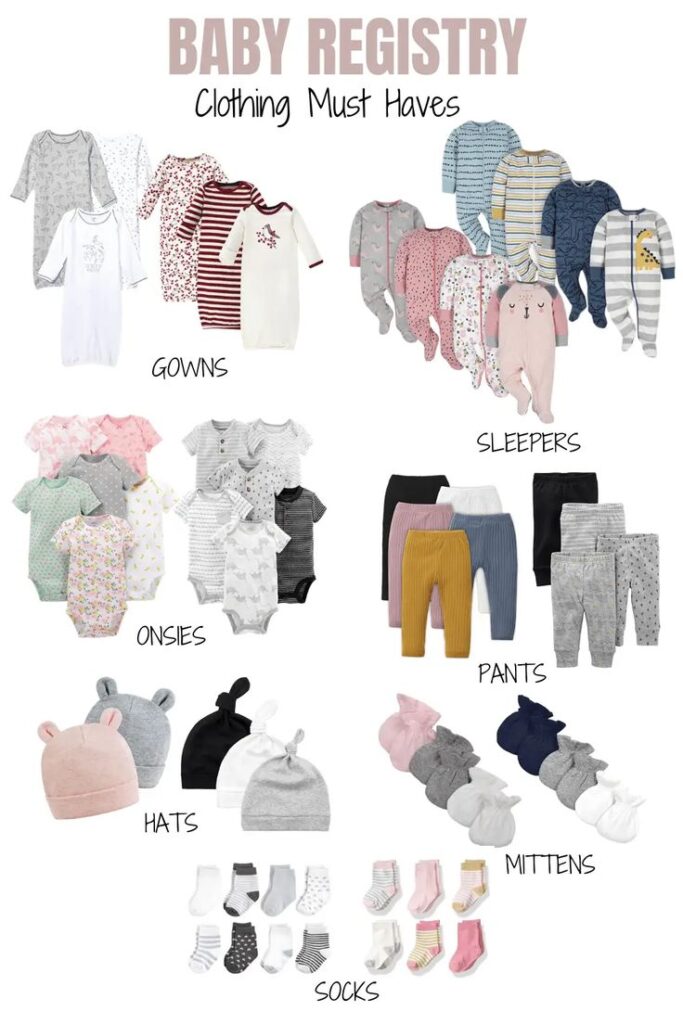
Before your baby is born, it’s helpful to have a clear list of what you’ll need rather than buying clothes at random. Here is a practical checklist that covers the basics without buying too much.
1.Bodysuits and Onesies
Bodysuits, also called onesies, are the main part of a newborn’s wardrobe. Look for styles with envelope necks or snap buttons, as these make dressing and changing diapers easier without having to pull clothes over your baby’s head. Aim for at least 6 to 8 bodysuits, since newborns often need frequent changes due to spit-up and diaper leaks.
2.Sleep suits or Rompers
Sleep suits, sometimes referred to as footed rompers, provide comfort and are great for both naps during the day and sleep at night. Choose ones with front snaps or zippers instead of back closures, so you do not have to turn a sleeping baby If you are writing a formal text, avoid using preposition at the end of sentence.
3.Soft Cotton Caps
Newborns lose a significant amount of body heat through their heads, so a light cotton cap is important, especially during the first few weeks or in colder weather.
4.Mittens and Booties
Babies often use their sharp nails to scratch their faces. Soft mittens help prevent accidental scratches, while booties or socks keep tiny feet warm without the need for shoes, as newborns do not require them.
5.Swaddles and Wraps
Swaddling can help recreate the comforting feeling of the womb and calm a choosy newborn. Muslin or cotton swaddle wraps are breathable and can be used in multiple ways, such as burp cloths or light blankets.
6.Cardigans or Light Jackets
A soft cardigan or light jacket is useful for layering during cooler evenings or in air-conditioned rooms, helping to keep the baby warm without overheating.
7.Bibs
Even before starting solid foods, bibs are helpful for managing drool and spit-up, protecting the baby’s clothes from getting stained.
How Many Clothes Does a Newborn Actually Need?
New parents often purchase too many items, only to find that the baby has outgrown half the clothes within a few weeks.
As a general guideline:
• 6–8 bodysuits
• 4–6 sleep suits
• 2–3 cardigans or jackets
• 4–6 pairs of socks or booties
• 2–3 caps
• 4–5 swaddle wraps
• 2–3 bibs
Newborns usually outgrow their first size within 6 to 8 weeks, so it’s more practical to buy fewer items in the newborn size and prepare more in the 0–3-month size.
Newborn Clothing Size Chart Explained
One of the most common challenges for new parents is figuring out the right clothing sizes for their baby, as sizes can differ slightly from one brand to another. Here is a general guide to help you understand the sizes:
| Size Label | Age Range | Weight Range |
| Preemie | Premature babies | Under 5.5 lbs. |
| Newborn (NB) | 0–1 month | 5.5–8 lbs. |
| 0–3 Months | 1–3 months | 8–12.5 lbs. |
| 3–6 Months | 3–6 months | 12.5–17 lbs. |
| 6–9 Months | 6–9 months | 17–20 lbs. |
Because babies grow at different rates, it’s advisable to purchase a combination of newborn and 0–3-month sizes from the beginning, instead of relying only on age-based labels.
Best Fabrics for Newborn Baby Clothes
When choosing clothing for your newborn, the fabric is just as important as the style. Here are the best options:
Cotton
100% cotton is a popular choice because it is breathable, soft and gentle on a baby’s sensitive skin. Organic cotton is an even better option, as it is grown without harmful pesticides and chemicals.
Muslin
Muslin fabric is lightweight and highly breathable, making it ideal for swaddles, wraps, and light summer clothing, especially in warm weather.
Bamboo Fabric
Bamboo-based clothing is naturally soft, moisture-wicking, and hypoallergenic. It is a great choice for babies with sensitive or eczema-prone skin.
Fabrics to Avoid
Avoid synthetic fabrics such as polyester blends for everyday wear, as they can trap heat and cause skin irritation. Also, avoid clothing with rough seams, tight elastic, or decorations like sequins and buttons, which can be a choking hazard. Seasonal Newborn Clothing Tips Summer Clothing for Newborns.
Seasonal Newborn Clothing Tips
Summer Clothing for Newborns
When the weather is warm, dress your baby in light, breathable cotton bodysuits and rompers. Do not dress your baby too warmly—follow this simple rule: dress your baby in one extra layer than what feels comfortable for an adult in the same room.
Winter Clothing for Newborns
In cold weather, layering is important. Begin with a cotton bodysuit, then add a sleepsuit, and cover with a swaddle or light blanket. Always include a soft cap and booties to help keep your baby warm, especially at the extremities.
Monsoon and Humid Weather
In areas with high humidity, choose clothes made of materials that dry quickly and allow air to flow. Avoid heavy layers that can trap moisture, which may cause skin rashes.
Safety Tips When Buying Newborn Clothes
When selecting clothing for your newborn, safety should be your main concern, not just style:
• Do not use clothing with drawstrings or ribbons around the neck, as these can be a danger if your baby gets caught
• opt for sleepwear that is flame-resistant whenever possible.
• Check for loose buttons or decorations that may pose a choking risk.
• Wash new clothes before the first use to remove any chemicals or irritants left from the manufacturing process
• Choose clothes without tags or with soft tags to prevent skin irritation.
Dressing for Special Events: More Than Just Basics
While it’s important to have comfortable everyday clothing for your newborn, many parents also want to dress their little ones for special events such as family get-togethers, photo sessions, or holiday celebrations. For these occasions, soft cotton rompers with delicate embroidery, matching outfits, or coordinated sets are ideal choices. The main thing is to select special occasion outfits made from the same breathable and gentle fabrics used for daily wear, but with a bit more design flair.
Gender-Neutral Newborn Clothing:
A Rising Trend An increasing number of parents are choosing gender-neutral clothing for their newborns, often in soft neutral colors like beige, sage green, mustard, and white, instead of sticking to traditional pink or blue options. This choice isn’t just about appearance — gender-neutral outfits are also useful for passing down between siblings and are more likely to remain stylish over time rather than being quickly outdated.
Tips for Affordable Newborn Clothing Shopping
• Purchase clothing in bulk packs instead of buying individual items, as buying in larger quantities is usually more cost-effective.
• Avoid buying too much newborn-sized clothing, as babies grow quickly and outgrow these sizes within a few weeks.
• opt for clothing that is adjustable or made from stretchy materials to help keep up with your baby’s fast growth.
• Consider accepting hand-me-downs for early-stage outfits, as newborns often outgrow clothes very quickly.
• Keep an eye out for seasonal sales on baby clothes, especially towards the end of a season, to prepare for the next size ahead of time.
Common Mistakes New Parents Make with Baby Clothing
1.Purchasing an excessive number of newborn outfits that are only worn a few times.
2.Prioritizing fashion over comfort, such as selecting tight-fitting outfits with restrictive necklines.
3.Overlooking fabric labels and selecting synthetic materials that may cause irritation to sensitive skin.
4.Dressing the baby too warmly or not enough for the actual weather conditions.
5.Failing to check for potential safety risks like loose threads, buttons, or loose decorations.
Final Thoughts
Creating a wardrobe for a newborn doesn’t have to be complicated or expensive. Focus on selecting soft, breathable fabrics, practical designs with easy-to-use closures, and a range of sizes that can accommodate the baby’s fast early growth. By putting comfort and safety first over trends, you’ll build a functional and adorable outfit collection that keeps your baby content and makes daily dressing much simpler for you as a parent. Whether you’re shopping for your own baby or looking for gift ideas, having this newborn clothing guide on hand will help you make confident and informed choices throughout the journey.