Rain doesn’t have to mean boring, bulky, or uncomfortable clothing for children. Whether you’re raising a little one in the drizzly streets of London, the stormy afternoons of Seattle, or the unpredictable spring showers of New England, dressing kids for rainy days has become a genuine fashion category of its own. Parents across the US and UK are increasingly looking for outfits that keep children dry, warm, and safe, while still letting their personalities shine through bright colors, playful prints, and modern silhouettes. This guide walks through everything you need to know about building a functional yet fashionable rainy day wardrobe for kids of all ages.
Why Rainy Day Fashion Matters for Kids
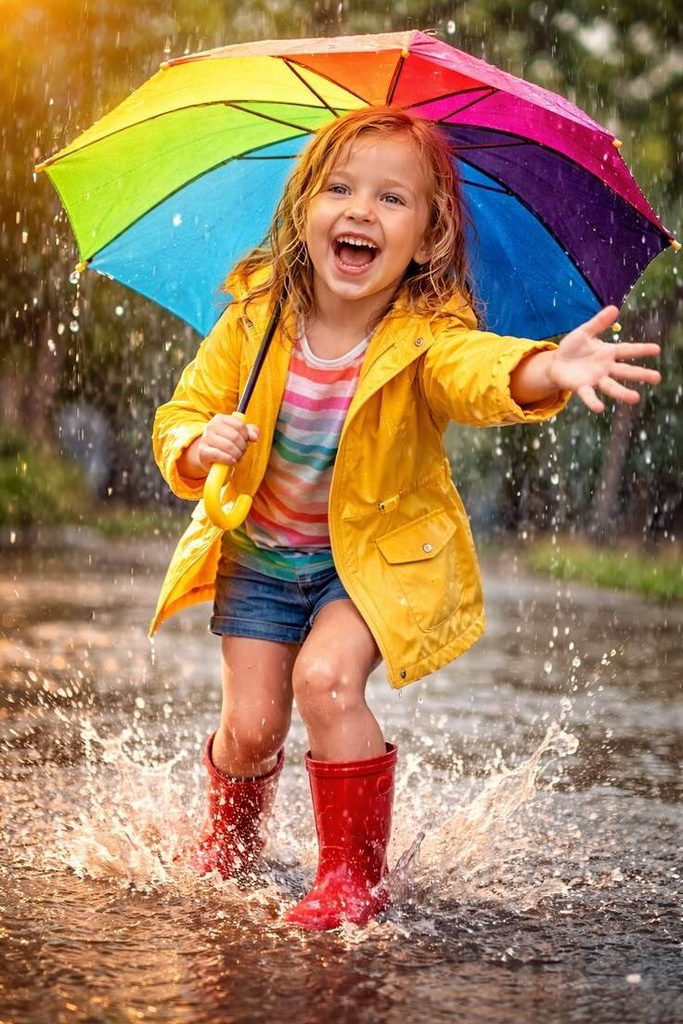
Children don’t stop wanting to play outside just because the skies turn grey. In fact, splashing through puddles, jumping over muddy patches, and exploring the outdoors in a light drizzle are some of the most cherished parts of childhood. The right rainy day clothing allows kids to enjoy these moments fully instead of being stuck indoors or coming home shivering and soaked.
Beyond comfort, proper wet-weather clothing protects children’s health. Staying dry helps prevent chills, colds, and general discomfort that can ruin an otherwise fun day. It also builds a sense of independence, as children who feel warm and dry are more confident moving, running, and exploring on their own terms.
There’s also a practical side for parents: durable, well-designed rainwear reduces laundry loads, protects everyday clothes underneath, and often lasts through multiple rainy seasons if chosen carefully.
Building the Foundation: Core Rainy Day Wardrobe Pieces
1. Waterproof Jackets and Raincoats
A quality raincoat is the cornerstone of any rainy day outfit. Look for jackets with taped or sealed seams, since stitched seams alone often let water seep through during heavier downpours. Hooded designs are especially useful for younger children who may not always remember to carry an umbrella.
Breathable waterproof fabrics are worth the investment. Cheaper plastic-style raincoats can trap moisture and sweat inside, leaving kids feeling clammy even though they’re technically dry. Modern breathable membranes solve this problem by letting body heat and moisture escape while blocking rain from getting in.
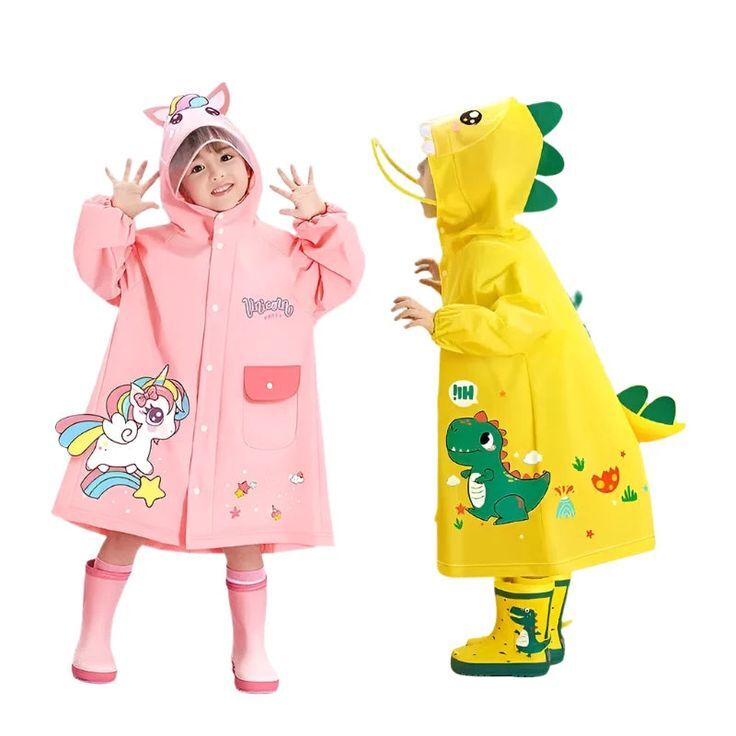
Color and print choice matters too. Bright yellows, playful animal patterns, and bold color-blocking not only make kids easier to spot in low-visibility weather but also turn a purely functional item into something children genuinely want to wear.
2. Waterproof Trousers and All-in-One Suits
For toddlers and younger children, an all-in-one waterproof suit is often the most practical choice. These suits cover the body from shoulders to ankles, meaning there’s no gap where rain or mud can sneak in. They’re especially popular in the UK, where unpredictable weather makes head-to-toe coverage a daily necessity rather than an occasional add-on.
Older children may prefer separate waterproof trousers that can be layered over regular clothes and removed easily when they head indoors. Elasticated waists, adjustable ankle cuffs, and reinforced knees are useful features to look for, particularly for active kids who love crouching down to inspect puddles or build mud pies.
3. Wellington Boots and Waterproof Footwear
Few items are as iconic to rainy day kids fashion as the humble wellington boot. Beyond their practical waterproofing, wellies have become a genuine style statement, available in countless colors, characters, and textures. Lightweight, flexible rubber allows for natural movement, while textured soles provide grip on slippery pavements.
For slightly warmer rainy days, waterproof sneakers or trainers with sealed uppers offer a more versatile alternative to traditional boots, especially for school-age children who want something closer to their everyday footwear.
Sock choice matters here too. Moisture-wicking socks made from merino wool or technical synthetic blends keep feet warm and dry even during long periods in boots, reducing the risk of blisters or cold toes.
Layering: The Secret to All-Day Comfort
Layering is where rainy day fashion becomes genuinely thoughtful rather than just “throw on a raincoat and go.” A well-layered outfit adapts to changing temperatures throughout the day, which is especially important during transitional seasons like early spring or late autumn.
Base layer: A moisture-wicking top made from breathable fabric keeps sweat away from the skin, preventing that clammy feeling that often comes with rainwear.
Mid layer: A soft fleece or lightweight knit adds insulation without bulk. This layer traps warmth while still allowing freedom of movement for running and playing.
Outer layer: The waterproof jacket or suit ties everything together, sealing out rain and wind while locking in warmth from the layers beneath.
This three-layer approach means parents can easily adjust for temperature swings by removing or adding the mid layer, without needing to change the entire outfit.
Fabric Guide: What to Look For
Not all “waterproof” labels mean the same thing, so understanding fabric basics helps parents make smarter choices.
- PU-coated fabrics are budget-friendly and fully waterproof but less breathable, better suited for shorter outdoor sessions.
- Breathable membrane fabrics allow moisture vapor to escape while blocking liquid water, ideal for active kids who run around a lot.
- Fleece linings add warmth for colder rainy days without adding excessive bulk.
- Recycled and sustainable fabrics are becoming increasingly popular among eco-conscious families in both the US and UK, offering the same performance with a lower environmental footprint.
Checking the fabric composition and care label before buying can save a lot of frustration later, especially since some waterproof coatings wear down faster when machine washed incorrectly.
Rainy Day Fashion by Age Group
Toddlers (1–3 years)
Toddlers benefit most from all-in-one suits that are easy to put on and take off, since independent dressing skills are still developing. Bright colors and fun characters help make getting dressed feel like part of the fun rather than a chore. Adjustable cuffs and elasticated waistbands accommodate quick growth spurts.
Preschoolers (3–5 years)
At this stage, children start expressing clear preferences about what they wear. Involving them in choosing their raincoat color or welly pattern can make rainy days feel exciting rather than something to dread. Look for easy-fasten zippers and boots that are simple for little hands to manage independently.
School-Age Kids (6–12 years)
Older children often want their rainy day outfits to feel closer to “real” fashion rather than purely functional gear. This is where trend-driven designs, such as color-block raincoats, reflective detailing, or boots styled like sneakers, become popular. Durability also becomes more important, as this age group tends to be rougher on clothing during outdoor play.
Safety Considerations for Rainy Weather
Visibility is a major safety concern during rainy weather, particularly during darker autumn and winter months when rain often coincides with early sunsets. Reflective strips on jackets, bags, and even boots help drivers and cyclists spot children more easily. Bright colors like yellow, orange, and red naturally stand out against grey, overcast backdrops far better than muted tones.
Non-slip soles are another important safety feature, especially for boots worn on wet pavements, tiled school entrances, or slippery playground surfaces. Parents should also check that hoods don’t obstruct peripheral vision and that drawstrings meet current safety standards for children’s clothing.
Accessories That Complete the Look
- Kid-sized umbrellas with rounded, safety-tipped edges add a fun, functional accessory, especially for older children walking to school.
- Waterproof hats or hooded scarves provide extra warmth for particularly cold, wet days.
- Waterproof gloves or mittens keep hands warm and dry during puddle-jumping sessions.
- Backpack rain covers protect school bags and their contents from unexpected downpours.
These small additions not only add practicality but also let kids express their personal style through pattern and color choices.
Caring for Rainy Day Clothing
Proper care extends the life of waterproof garments significantly. Washing with specialized technical cleaners rather than standard detergent helps preserve waterproof coatings, since regular detergent residue can clog fabric pores and reduce breathability. Reproofing sprays or wash-in treatments can restore water resistance once it starts to wear off, which is often noticeable when fabric starts absorbing water instead of beading it.
Air-drying is generally preferable to tumble drying for most waterproof fabrics, and boots should be dried away from direct heat sources to prevent rubber from cracking over time.
Sustainable and Long-Lasting Choices
Many families are now prioritizing durability and sustainability when shopping for children’s rainwear. Since kids grow quickly, adjustable features like roll-up cuffs, extendable hems, and stretchy waistbands help garments last through multiple growth spurts. Choosing well-made pieces from responsibly sourced materials, even at a slightly higher upfront cost, often proves more economical and environmentally friendly than repeatedly replacing cheaper, lower-quality items each season.
Second-hand and hand-me-down rainwear has also grown in popularity, particularly for items like wellies that children quickly outgrow but that remain in good condition.
Making Rainy Days Fun Through Fashion
Ultimately, rainy day fashion for kids is about more than just staying dry, it’s about turning grey, gloomy weather into an opportunity for adventure. A bright yellow raincoat, a pair of dinosaur-print wellies, or a polka-dot umbrella can transform a child’s entire mood about heading outside on a wet day.
Encouraging kids to pick out their own rainy day outfits fosters a sense of independence and self-expression, while also making them more likely to actually want to wear the protective gear parents know they need. When function and fashion come together, rainy days stop being something to endure and start becoming something to enjoy.
Final Thoughts
Dressing children for rainy weather doesn’t have to be a compromise between practicality and style. With the right combination of waterproof jackets, breathable layers, sturdy footwear, and thoughtful accessories, kids can stay warm, dry, and comfortable while still looking and feeling great. Whether shopping for a toddler’s first all-in-one puddle suit or a school-age child’s trend-forward raincoat, focusing on quality materials, proper fit, and safety features ensures that rainy days become just another opportunity for outdoor fun rather than a day stuck indoors.
As unpredictable weather patterns continue across both the US and UK, investing in a well-thought-out rainy day wardrobe is one of the simplest ways parents can keep their children happy, healthy, and ready for whatever the skies decide to bring.